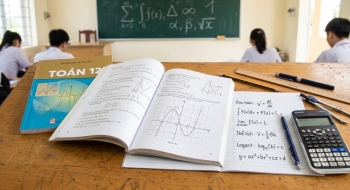

To prepare their children for studying abroad, parents are willing to invest a massive amount of money. We always paint a bright future: our children studying at prestigious universities, absorbing global knowledge, and becoming highly successful individuals.
But there is a brutal truth that few tell parents: a significant number of international students experience a crisis and a sharp decline in academic performance right in their first year.

The greatest studying abroad risks do not stem from a rejected visa, nor is it because the university curriculum is too difficult.
The ultimate risk is when they step foot in a foreign land, get a harsh reality check, and completely lose their direction because they only know how to study, never how to be independent.
THE SHOCK OF THE LITTLE THINGS: WHEN "PRINCES AND PRINCESSES" MUST SINK OR SWIM
At home, your child lives in a completely sheltered environment. In the morning, mom wakes them up; clothes are washed by someone else; meals are freshly prepared; and a car picks them up for school. The child has only one single mission: to eat and study.
But when they go abroad, they must face reality all on their own:
-
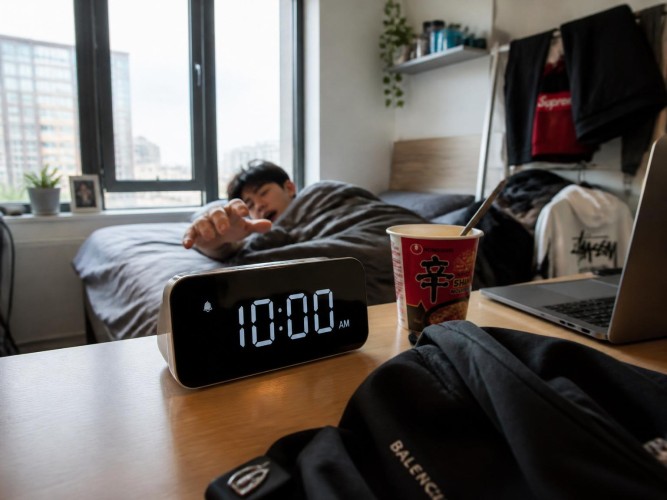
No one left to wake them up or remind them
There will be no more nagging from mom to go to bed early or get up for class every morning. Just one night of staying up late to binge-watch shows or play video games, and they will oversleep, miss a crucial exam, and be forced to retake the course at the cost of thousands of dollars.
-
Struggling with basic daily life
Your child has to cook, wash clothes, clean their room, and budget their own expenses. These seemingly simple tasks consume an immense amount of time. Many kids, lacking independent skills for studying abroad, resort to instant noodles for days. Their bodies become weak, leaving them with no energy left to handle the heavy academic workload.
-
Managing their own schedule
When no one is around to manage them, balancing class time, daily chores, and rest becomes an incredibly difficult puzzle to solve.
ACADEMIC CRISIS: WHEN OLD LEARNING HABITS NO LONGER WORK
The traditional education system back home can be quite passive. At school, teachers guide students too closely, hand-feeding them every type of exercise. Students only need to memorize and apply formulas to get high grades.
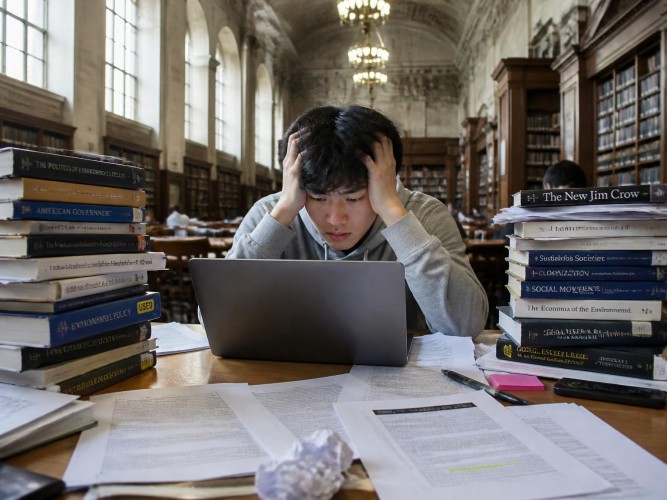
But an international lecture hall is a completely different world, one that demands a very high level of self-directed learning for international students:
-
Sinking or swimming in a sea of courses
Your child has to research online, choose their own subjects, register for classes, and organize a research plan for the entire semester. This is something they have never done before because parents or teachers always laid out the roadmap for them.
-
The shock of "Self-Directed Learning"
No teacher will check their homework every day. Your child must go to the library themselves, sift through hundreds of pages of English literature, think critically, ask questions, and write essays thousands of words long.
-
Falling behind due to silence
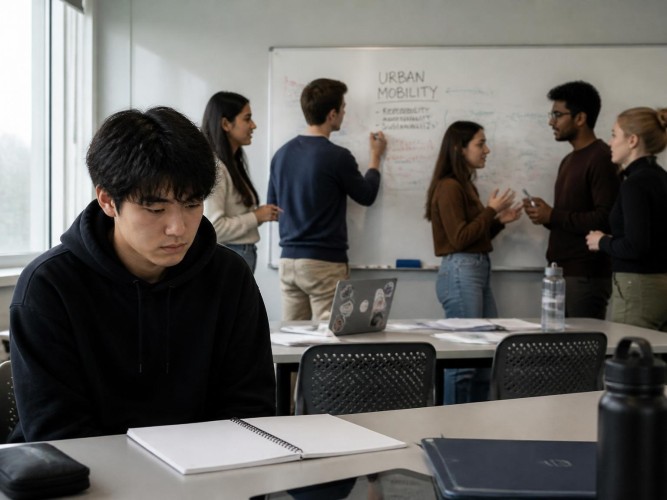
The habit of being afraid to speak up, just sitting back, listening, and copying notes from back home will quickly isolate your child during group discussions. Under intense international student pressure, if they do not know how to communicate proactively, they will quickly be left behind and face the risk of expulsion due to poor results.
TEMPTATIONS EVERYWHERE WHEN THE "MONITORING SYSTEM" IS ZERO
When a child grows up in an overly privileged environment, getting whatever they want, they often lack "immunity" against temptations. When suddenly thrown into an environment of absolute freedom with zero parental supervision, the line between gaining experience and falling astray becomes incredibly thin
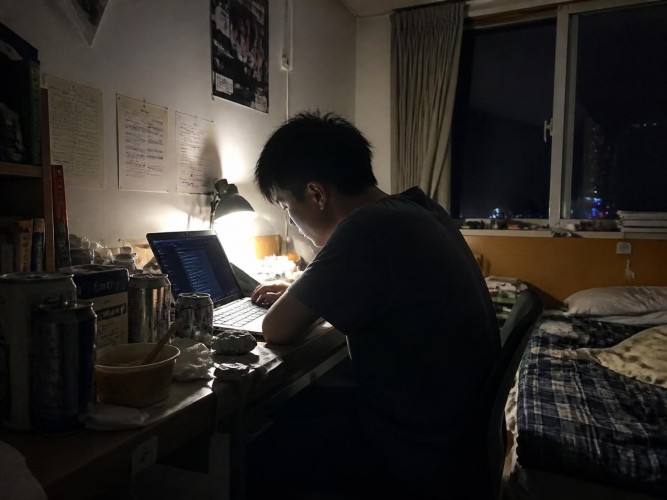
-
Escaping into the virtual world
With no one controlling the computer screen, many kids burn through all their time playing video games overnight or binge-watching dramas just to escape the deep feelings of loneliness and isolation in a strange land.
-
Temptations from peers
Living far from home, loneliness can easily drive a child to look for peer groups just to find a sense of belonging. Without grit and self-discipline, they can easily be lured into wild lifestyles, overnight partying, or worse.
PREVENTION IS ALWAYS CHEAPER THAN CURE
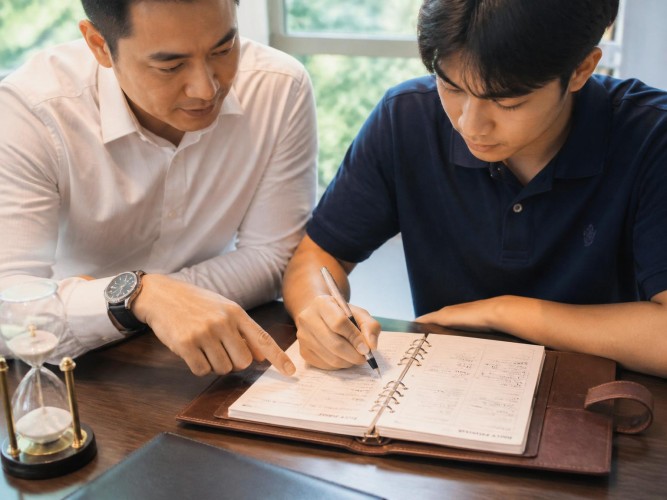
In business, parents always carefully calculate risk management before investing. The same goes for education. Preparing children for studying abroad cannot simply stop at a bank account with many zeros or a high IELTS score certificate.
The most important item among all study abroad essentials, the most practical "insurance policy" for your multi-billion investment, is your child’s independent grit.
If right now, while living with you, your child cannot manage their own time or clean their own study corner, how can they manage their own life alone in a foreign land?
Training your child in discipline, self-directed learning, planning, and self-care starting from age 15 is always much easier and carries far fewer risks than flying thousands of miles later to fix a lost, broken soul when they are in their twenties.
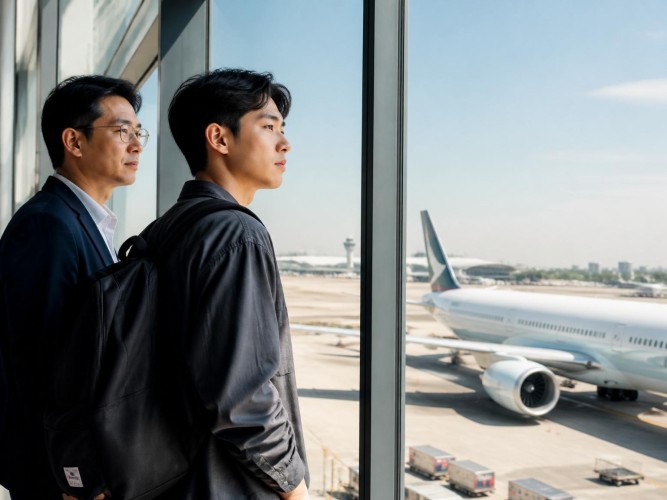
In the end, right before the moment you see your child off at the airport, the biggest question for parents is not whether the credit card has enough balance, but: Aside from money, have we equipped our child with enough grit to survive on their own out in the world?