
If you’ve ever spent a whole day “studying” only to forget everything a week later, you’re not alone.
Many of us drift into learning by obligation, not by passion.
The good news: with a few science-backed strategies, you can learn faster, remember longer, and enjoy the process. Here’s a clear, practical guide to studying smarter-starting now.

WHY YOU MUST STUDY SMART IN THE ATTENTION-HACKED ERA
The “goldfish brain” problem: deep focus under attack
· Our attention is being hijacked by dopamine-driven algorithms. Fifteen minutes into “studying,” you’re on TikTok watching dancing cats or the latest drama.
· This isn’t laziness-it’s design. The result: fear of missing out, endless comparison, shallow focus, and poor retention.
· Deep work is your competitive edge. Train it and you’ll learn better than 90% of people who multitask.

Learn to live, not just to test
· We were raised to “study for exams,” but the real world rewards skills: critical thinking, problem-solving, communication, collaboration, digital ethics, and above all, lifelong learning.
· Smart study is about building durable capabilities-not just chasing grades.

HOW TO STUDY SMARTER: A PRACTICAL, SCIENCE-BACKED PLAYBOOK
1. Set clear goals: know where you’re going
Ask: Why am I learning this? How will it help me now and in the future? How can I apply it today?
Use SMART goals:
- Specific: Define the exact outcome.
- Measurable: Track progress and results.
- Achievable: Keep it realistic.
- Relevant: Align with your path.
- Time-bound: Set a deadline.

2. Move knowledge into long-term memory
· Reading once isn’t learning-it’s exposure. Use these tools to make knowledge stick:
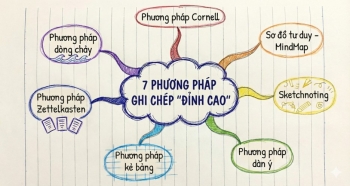
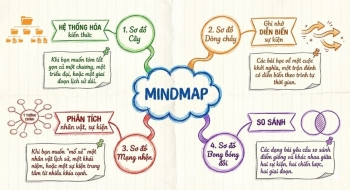
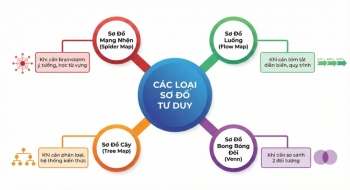
· Mind maps: Visualize concepts and connections. Tools: MindMeister, XMind, or pen-and-paper.
· Flashcards + spaced repetition: Perfect for vocab, formulas, key terms. Apps: Anki, Quizlet.
· Testing effect: Don’t just reread-self-test. Practice problems, recall from memory, teach-back summaries.
3. The genius shortcut: teach what you learn (Feynman technique)
If you can’t explain a concept simply-as if to a 5-year-old-you don’t fully understand it.
Steps:
Write the idea in plain language.
Identify gaps and revisit the source.
Simplify and add examples from your life.
This surfaces blind spots and can boost retention dramatically.

4. Digital detox for deep focus: reclaim your attention
Clear your desk: physical clutter = mental clutter.

Put your phone out of reach: another room or do-not-disturb.
Sit with the task: no music, no background videos-just you and the work.
Pomodoro method: 25 minutes focused work + 5 minutes rest. Maintain unbroken attention during the 25.
Prioritize 3: pick the three most important tasks for the day and finish them sequentially.

5. Learn in ways you love: make study feel rewarding
For languages (apply to any subject):
Forget perfection: communicate to be understood; refine later.
Vocabulary is core: encounter new words in contexts you enjoy-movies, podcasts, stories.
Reduce stress: if materials feel overwhelming, step back to simpler content or switch mediums (music, films, vlogs).
Review regularly: repetition deepens understanding.
Speak more, embrace mistakes: errors are data, not failures.

6. Build future-ready skills: thinking is your real advantage
In the AI era, what stands out is your ability to think, adapt, and push forward:
Critical thinking: ask better questions; analyze from multiple angles.
Problem-solving: apply knowledge to real situations.
Communication and teamwork: timeless, high-impact skills.
Digital ethics: use technology responsibly and thoughtfully.

ACTION PLAN: START YOUR UPGRADE TODAY
· Choose one subject and set one SMART goal for this week.
· Create a mini mind map of the topic.
· Make 15 flashcards; review with spaced repetition.
· Do a 30-minute test session: solve problems or recall from memory.
· Teach the core concept to a friend-or record a 3-minute voice note teaching it.
· Run two Pomodoro cycles today with your phone outside the room.

Studying smart isn’t a bag of tricks-it’s a way of living. Do less, but do it deeply. In a world of constant distraction, the person who can stay with their thoughts, finish meaningful work, and learn continuously is rare-and valuable. Start now. Your future self will thank you.
See more: What is a Mind map? 4 types to help you learn faster & remember more