
In the journey of self-discovery and development, organizing information effectively is the golden key. If you're looking for an effective learning method to help you learn faster, remember longer, be endlessly creative, and solve problems efficiently, then the mind map is the "super tool" you can't ignore.
What is a mind map? A visual map for your brain.
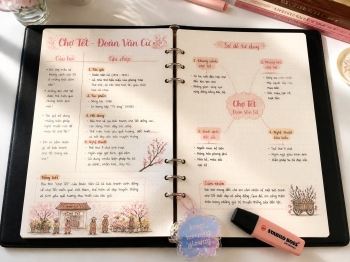
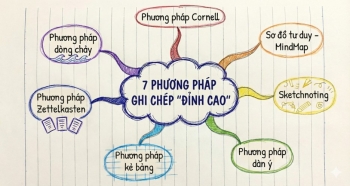
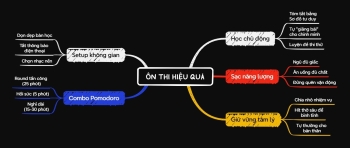
A mind map is a visual note-taking method that turns information into an "idea tree." Instead of writing in linear rows, you start with a central idea and then draw radiating branches to connect and develop information.
Our brains love images, colors, and connections. A mind map leverages this exact ability, helping you systemize, memorize, and develop ideas in an incredibly easy-to-understand and memorable way.
Why are mind maps so effective?
1. A "remedy" against "brain rot" and distraction in an age of mindless scrolling, a mind map forces you to stop, think deeply, and select information. It's an exercise for the brain, helping you switch from passive consumption to active creation, keeping your mind sharp and free from useless content.
2. Activate your entire brain for memory and creativity by combining keywords, colors, and images, a mind map mobilizes the power of both brain hemispheres (logic & creativity). This helps encode information into long-term memory, helping you not only remember longer but also easily connect ideas to create new breakthroughs.
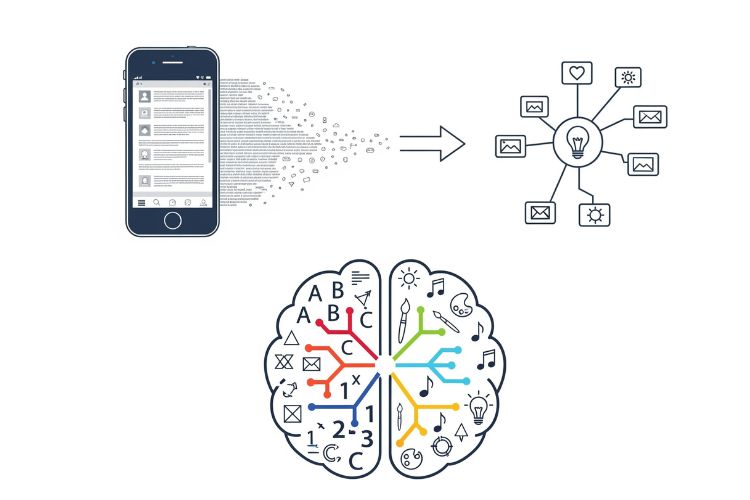
3. Break free from linear thinking instead of thinking on a straight "track," a mind map is a tool that helps you with "radiant thinking." you'll learn to see problems from multiple angles, discover hidden connections, and gain a holistic, multi-dimensional perspective on any issue.

4. Make knowledge your own (learn fast, remember long) creating a mind map is an active learning process. To summarize a topic, you must truly understand it. This is the most effective way to turn information you've just read into your own knowledge, helping you remember it deeply and apply it easily in practice.
5. The ultimate planning and problem-solving tool from planning a large project to outlining an essay, a mind map helps you turn the chaos of ideas into a logical and visual action plan. It helps you focus on your goals and break down complex problems with ease.

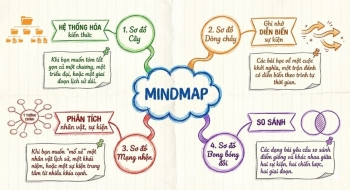
The mind map "squad": 4 popular types & their applications
To apply this power, you need to get to know the "members" of the mind map squad. Each type has its own strengths, suitable for different learning tasks.
1. Tree Map This is the most classic and powerful type for systemizing knowledge.
- Structure: Like a tree, with the main topic as the root, main ideas as large branches, and details as smaller branches.
- Pro Uses:
- Outlining an essay: The topic is at the top, with arguments and evidence layered clearly below.
- Summarizing a book chapter: The chapter title is the root, each main heading is a branch, and bullet points are smaller branches.
- Analyzing a literary work.
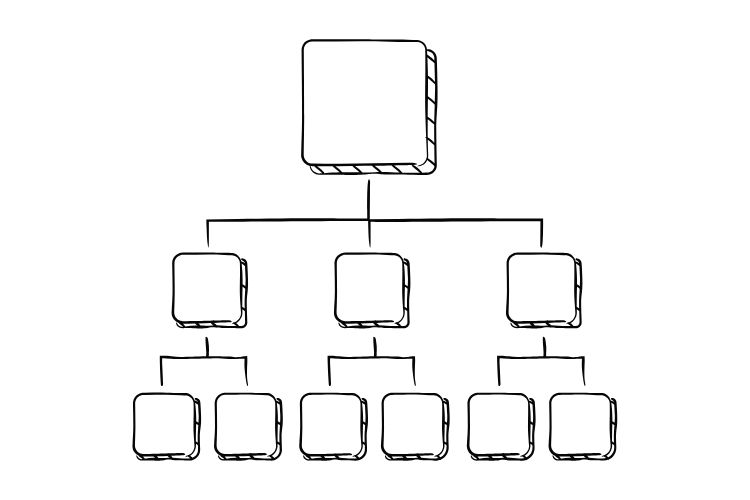
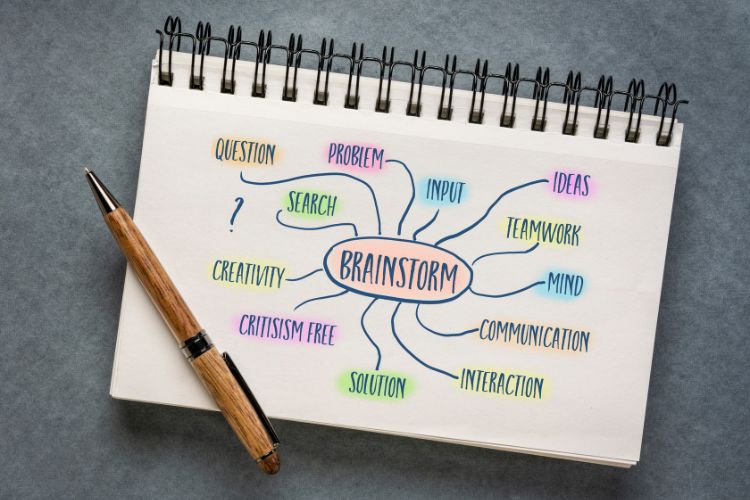
2. Spider Map / Bubble Map The perfect tool for brainstorming and describing ideas.
- Structure: The main topic is in the center. Related ideas, adjectives, and concepts radiate outwards like a spider's legs or satellite bubbles.
- Pro Uses:
- Brainstorming project ideas: The topic "Protecting the Environment" is in the center, with branches radiating out: recycling, planting trees, reducing plastic waste...
- Describing a character/object.
- Learning foreign vocabulary: The new word is in the center, with its definition, synonyms, antonyms, and example sentences surrounding it.
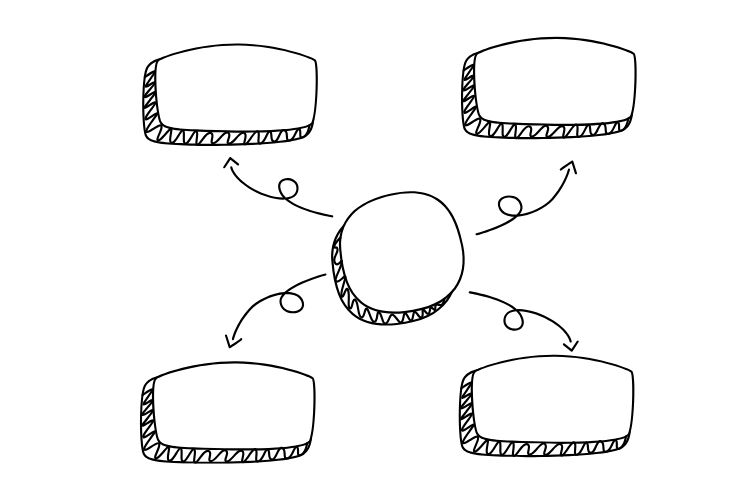
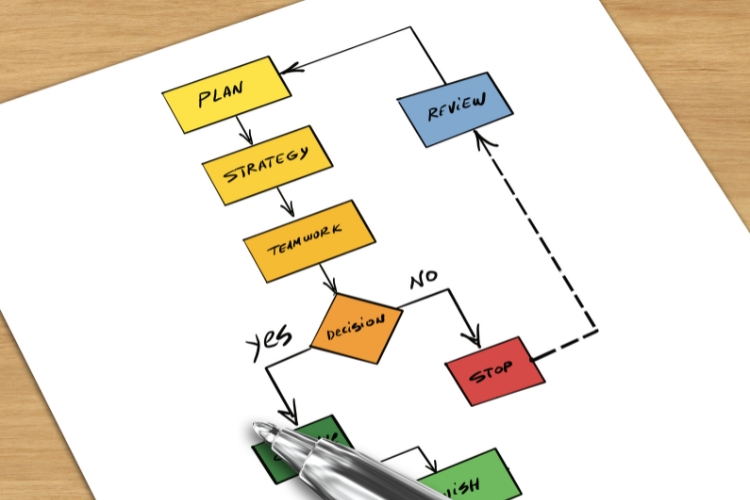
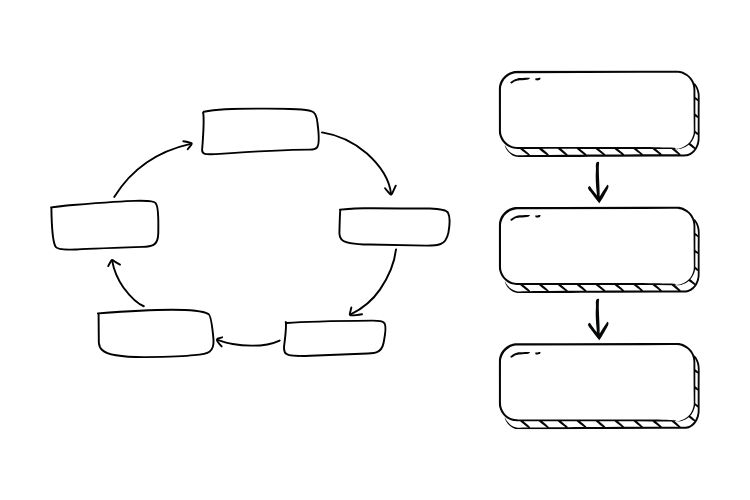
3. Flow Map The number one choice for describing a process or a sequence of events.
- Structure: Information boxes are connected by arrows, showing a before-and-after sequence or a cause-and-effect relationship.
- Pro Uses:
- Summarizing historical events: The timeline of a revolution.
- Describing a scientific process: The water cycle in nature (Evaporation -> Condensation -> Precipitation).
- Outlining the steps to solve a complex problem.
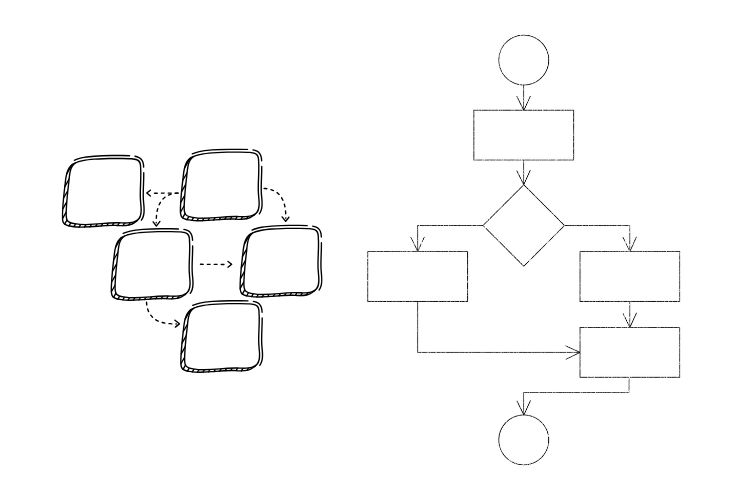
4. Multi-flow Map This is an advanced version of the Flow Map, specializing in analyzing causes and effects.
- Structure: The main event is in the center. The boxes to the left list the causes leading to the event. The boxes to the right list the results/consequences of the event.
- Pro Uses:
- Analyzing a historical event: The event "World War II begins" is in the center -> Causes on the left, results on the right.
- Problem-solving: The problem "Poor grades" is in the center -> Possible causes (procrastination, lack of focus) and consequences (failing, knowledge gaps).
And the special thing is, depending on your personal or business goals, you can create other types of mind maps that are suitable for your own projects!
Tips to turn your mind map into a "magic wand"
- Prioritize Keywords, Images & Colors: The brain hates boredom! Use keywords instead of long sentences, add small icons, and use different colors for each main branch to stimulate memory.
- Start from the Center: Always place the main topic in the middle of the page and let the ideas "grow" freely around it.
- Don't Be Afraid to Experiment: You can start with paper and colored pens or use specialized software/websites like MindMeister, XMind, or Miro. The important thing is to start!
Conclusion
A mind map is not just a great learning tool; it's a philosophy of life. It helps you "live deeper" and be more proactive in acquiring and creating knowledge. In an era where focus is gold, mastering the mind map is how you "redesign your attention," protect your mental health, and unlock your infinite potential.
Give your brain the chance to "draw" its most brilliant ideas!
See more: Focus training: "Golden" Handbook for young people in 4.0